
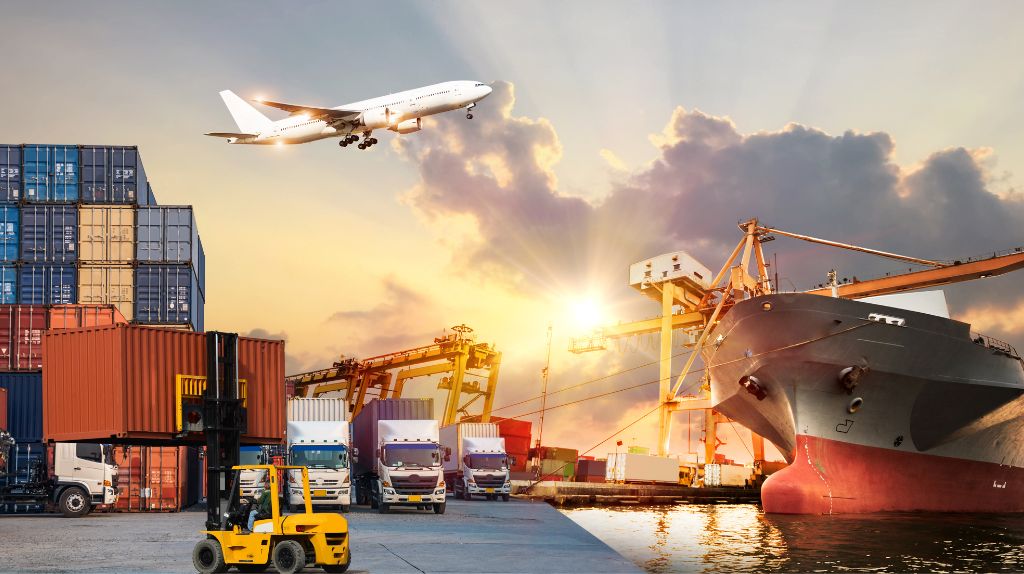
Mumbai is India's commercial capital and home to the country's busiest seaports and one of its most important international airports. Every day, thousands of import and export shipments pass through Mumbai, making customs clearance a critical part of international trade. Whether you are a manufacturer, importer, exporter, e-commerce business, or multinational corporation, understanding the customs clearance process can help you avoid delays, reduce costs, and ensure compliance with government regulations.
Professional customs clearance services simplify complex documentation, coordinate with customs authorities, and ensure that shipments move efficiently across borders. In today's competitive business environment, partnering with an experienced customs clearance service provider in Mumbai can significantly improve your supply chain efficiency.
What Is Customs Clearance?
Customs clearance is the official process of obtaining permission from government customs authorities to import or export goods. Before goods can enter or leave a country, customs officials verify that all applicable regulations, documentation, duties, taxes, and compliance requirements have been met.
The customs clearance process involves:
- Document verification
- Classification of goods
- Customs duty assessment
- Tax calculations
- Regulatory compliance
- Physical inspections (if required)
- Final customs approval
- Cargo release
Without proper customs clearance, shipments may be delayed, fined, or even confiscated.
Why Mumbai Is a Major Customs Clearance Hub
Mumbai handles a significant portion of India's international trade due to its strategic location and world-class logistics infrastructure.
Major gateways include:
- Jawaharlal Nehru Port (JNPT)
- Mumbai Port
- Chhatrapati Shivaji Maharaj International Airport
- Inland Container Depots (ICDs)
- Container Freight Stations (CFS)
These facilities process millions of tonnes of cargo every year, making efficient customs clearance essential for businesses involved in global trade.
Why Businesses Need Professional Customs Clearance Services
Many businesses assume customs clearance is simply paperwork. In reality, customs regulations are constantly evolving, and even a small documentation error can cause expensive delays.
Professional customs brokers help businesses by:
- Reducing customs delays
- Ensuring legal compliance
- Minimizing penalties
- Managing documentation
- Calculating accurate duties and taxes
- Coordinating inspections
- Providing shipment tracking
- Handling customs queries
- Speeding up cargo release
Their expertise saves both time and money while reducing operational risks.
Key Documents Required for Customs Clearance
Documentation requirements vary depending on the shipment type, but common documents include:
- Commercial Invoice
- Packing List
- Bill of Lading or Air Waybill
- Import Export Code (IEC)
- Purchase Order
- Letter of Credit (if applicable)
- Insurance Certificate
- Certificate of Origin
- Import License (where required)
- GST registration details
- Product certifications
- Technical specifications
Having complete and accurate documentation is one of the most important factors in ensuring smooth customs clearance.
The Customs Clearance Process Explained
Understanding each stage helps businesses better prepare their shipments.
1. Document Preparation
The importer or exporter prepares all required shipping and commercial documents before cargo arrives.
2. Filing the Customs Declaration
The customs broker electronically files the Bill of Entry for imports or Shipping Bill for exports through India's customs system.
3. Goods Classification
Products are classified under the correct Harmonized System (HS) Code, which determines applicable customs duties and regulations.
4. Duty and Tax Assessment
Customs calculates applicable duties, GST, cess, and other government charges.
5. Customs Inspection
Certain shipments are selected for physical examination based on risk assessment, product category, or compliance history.
6. Payment of Duties
Once duties and taxes are paid, customs processes the shipment for release.
7. Cargo Release
After receiving customs approval, cargo is released for transportation to its final destination.
Professional customs clearance companies manage every stage efficiently to minimize delays.
Common Challenges During Customs Clearance
International trade involves numerous regulations that can complicate customs clearance.
Some common challenges include:
- Incorrect HS code classification
- Missing documents
- Under-valuation or over-valuation of goods
- Regulatory compliance issues
- Product restrictions
- Delayed duty payments
- Random customs inspections
- Import licensing requirements
- Incomplete declarations
- Frequent policy updates
Experienced customs professionals help businesses navigate these issues before they become costly problems.
Benefits of Hiring a Customs Clearance Company in Mumbai
Working with customs experts offers several advantages.
Faster Cargo Clearance
Experienced professionals understand customs procedures and can quickly resolve issues that might delay shipments.
Regulatory Compliance
They stay updated with changing customs regulations, reducing the risk of penalties.
Accurate Duty Calculations
Proper product classification ensures businesses pay the correct amount of customs duty.
Reduced Documentation Errors
Professionals thoroughly review shipping documents before submission.
Cost Savings
Avoiding delays, demurrage charges, storage fees, and penalties helps reduce overall logistics costs.
Improved Supply Chain Efficiency
Quick customs processing ensures timely deliveries and better inventory management.
Industries That Require Customs Clearance Services
Nearly every industry engaged in international trade depends on customs clearance professionals.
These include:
- Automotive
- Pharmaceuticals
- Electronics
- Chemicals
- Engineering goods
- Textiles
- Fashion
- Food and beverages
- FMCG
- Retail
- Medical equipment
- Industrial machinery
- E-commerce
- Agriculture
- Renewable energy
Each industry has unique regulatory requirements that require specialized expertise.
Technology Is Transforming Customs Clearance
Modern customs clearance is becoming increasingly digital.
Leading logistics companies now use advanced technologies such as:
- Electronic document submission
- Real-time shipment tracking
- Automated compliance checks
- AI-powered documentation review
- Digital customs filing
- Cloud-based logistics platforms
- Electronic payment systems
- Data analytics for risk management
These innovations improve accuracy, reduce paperwork, and accelerate shipment processing.
How to Choose the Right Customs Clearance Service Provider
Selecting the right partner is essential for smooth international operations.
Look for a company that offers:
- Experienced customs professionals
- Strong knowledge of Indian customs regulations
- Digital documentation systems
- Transparent pricing
- Real-time shipment updates
- End-to-end logistics support
- Strong relationships with customs authorities
- Industry-specific expertise
- Quick response times
- Excellent customer support
A reliable customs clearance partner should act as an extension of your logistics team.
Tips for Smooth Customs Clearance
Businesses can reduce delays by following a few best practices:
- Prepare documents well in advance.
- Use accurate product descriptions.
- Ensure correct HS code classification.
- Maintain updated import and export licenses.
- Keep records organized.
- Stay informed about changing customs regulations.
- Work with experienced customs brokers.
- Verify invoice values carefully.
- Respond quickly to customs queries.
- Plan shipments with sufficient lead time.
These proactive steps help ensure efficient cargo movement.
The Future of Customs Clearance in Mumbai
India is rapidly modernizing its customs infrastructure through digital transformation and trade facilitation initiatives. Electronic processing, automated risk assessment, paperless documentation, and integrated logistics platforms are making customs clearance faster and more transparent.
As international trade continues to grow, customs clearance providers are expanding their services to include compliance consulting, trade advisory, supply chain optimization, and digital logistics solutions. Businesses that embrace these advancements will benefit from faster turnaround times, improved compliance, and greater operational efficiency.
Conclusion
Customs clearance is one of the most important aspects of international logistics. Every shipment entering or leaving India must comply with customs regulations, making professional customs clearance services essential for businesses involved in global trade.
Mumbai's position as a leading logistics and trade hub means companies operating in the region require reliable customs expertise to ensure uninterrupted cargo movement. By partnering with an experienced customs clearance service provider, businesses can simplify documentation, reduce delays, ensure regulatory compliance, minimize costs, and improve overall supply chain performance.
Whether you import raw materials, export finished products, or manage global supply chains, investing in professional customs clearance services in Mumbai is a smart business decision that supports smooth international trade and long-term growth.
You May Also Like
The Importance of Efficient Logistics Services for Business Growth in Delhi
Warehousing and Distribution Services Offered by Logistics Companies in Delhi
Logistics Services Explained: Everything You Need to Know