
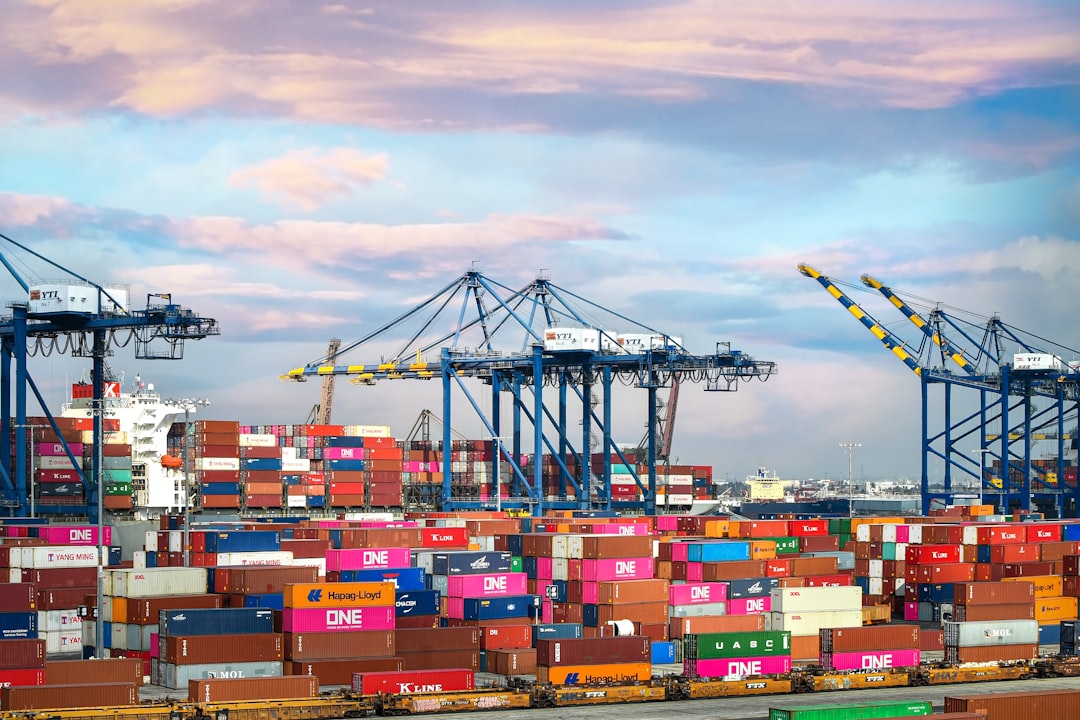
In today’s fast-paced and highly competitive business environment, managing transportation costs has become a top priority for companies across industries. Whether it’s a small business or a large enterprise, efficient logistics plays a crucial role in ensuring profitability and customer satisfaction. Logistics services not only streamline the supply chain but also significantly reduce transportation expenses through strategic planning, advanced technology, and optimized operations.
Understanding Transportation Costs in Logistics
Transportation costs include expenses related to fuel, labor, vehicle maintenance, warehousing, packaging, and route management. These costs can quickly escalate if not managed properly. Businesses often face challenges such as fluctuating fuel prices, inefficient routes, delays, and underutilized capacity—all of which contribute to higher expenses.
This is where professional logistics services come into play. By leveraging expertise and resources, logistics providers help businesses minimize these costs while improving efficiency.
Route Optimization and Planning
One of the most effective ways logistics services reduce transportation costs is through route optimization. Advanced software and GPS tracking systems are used to determine the most efficient routes, avoiding traffic congestion, road closures, and unnecessary detours.
Optimized routing leads to:
- Reduced fuel consumption
- Faster delivery times
- Lower vehicle wear and tear
By minimizing travel distance and time, businesses can significantly cut down on transportation expenses.
Consolidation of Shipments
Logistics companies often consolidate multiple shipments into a single load, maximizing vehicle capacity. Instead of sending partially filled trucks, goods from different clients or locations are combined.
Benefits of shipment consolidation include:
- Lower cost per unit shipped
- Reduced number of trips
- Better utilization of resources
This approach is especially beneficial for small and medium-sized businesses that may not have enough volume to fill an entire truck.
Efficient Fleet Management
Managing a fleet involves significant costs, including maintenance, fuel, and driver salaries. Logistics service providers use advanced fleet management systems to monitor vehicle performance, schedule maintenance, and track fuel usage.
Efficient fleet management helps:
- Prevent breakdowns and costly repairs
- Improve fuel efficiency
- Enhance driver productivity
With real-time tracking and analytics, businesses can make data-driven decisions that reduce operational costs.
Use of Advanced Technology
Modern logistics services rely heavily on technology such as Transportation Management Systems (TMS), Artificial Intelligence (AI), and data analytics. These tools provide insights into shipping patterns, cost trends, and operational inefficiencies.
Technology helps in:
- Predicting demand and planning shipments
- Reducing manual errors
- Automating processes
By adopting technology-driven logistics solutions, businesses can streamline operations and lower transportation costs.
Reduced Fuel Consumption
Fuel is one of the largest components of transportation costs. Logistics providers implement various strategies to reduce fuel usage, such as:
- Optimizing routes
- Maintaining vehicles regularly
- Using fuel-efficient transportation modes
Some companies also adopt eco-friendly practices, such as electric vehicles and alternative fuels, which not only reduce costs but also support sustainability.
Warehousing and Inventory Management
Strategically located warehouses play a vital role in reducing transportation costs. Logistics companies position warehouses closer to key markets, reducing the distance goods need to travel.
Effective inventory management ensures:
- Faster order fulfillment
- Reduced storage costs
- Minimized risk of overstocking or stockouts
By integrating warehousing with transportation, logistics providers create a seamless supply chain that saves both time and money.
Scalability and Flexibility
One of the biggest advantages of outsourcing logistics services is scalability. Businesses can adjust their logistics needs based on demand without investing in additional infrastructure or resources.
This flexibility allows companies to:
- Avoid unnecessary expenses during low demand
- Scale operations efficiently during peak seasons
- Optimize resource utilization
As a result, businesses only pay for the services they use, reducing overall transportation costs.
Expertise and Industry Knowledge
Logistics service providers bring years of experience and industry expertise. They understand the complexities of transportation, regulations, and market trends, enabling them to implement cost-effective strategies.
Their expertise helps in:
- Avoiding compliance issues and penalties
- Selecting the best transportation modes
- Negotiating better rates with carriers
This professional approach ensures that businesses achieve maximum efficiency at minimal cost.
Risk Management and Reduced Losses
Transportation involves risks such as delays, damage, and theft. Logistics companies implement robust risk management strategies, including insurance, tracking systems, and secure packaging.
By minimizing risks, businesses can:
- Reduce financial losses
- Improve delivery reliability
- Enhance customer satisfaction
Efficient risk management ultimately contributes to cost savings.
Improved Customer Satisfaction
While reducing costs is important, maintaining high service quality is equally crucial. Logistics services ensure timely deliveries, accurate tracking, and efficient handling of goods.
Satisfied customers lead to:
- Repeat business
- Positive brand reputation
- Increased revenue
A well-managed logistics system not only cuts costs but also boosts overall business growth.
A Practical Example in Gurgaon
Businesses operating in rapidly growing hubs like Gurgaon face unique logistics challenges, including heavy traffic and high demand for timely deliveries. Partnering with a reliable logistics provider can make a significant difference.
For instance, Scanwell Logistics offers tailored logistics solutions designed to optimize transportation processes. By leveraging advanced technology, efficient routing, and strategic planning, such companies help businesses in Gurgaon reduce costs while maintaining high service standards.
Conclusion
Logistics services play a vital role in reducing transportation costs by improving efficiency, optimizing routes, leveraging technology, and managing resources effectively. From shipment consolidation to fleet management and warehousing, every aspect of logistics contributes to cost savings and operational excellence.
In a competitive market, businesses that invest in professional logistics services gain a significant advantage. They not only reduce expenses but also enhance customer satisfaction and overall performance.
As companies continue to grow and expand, partnering with experienced logistics providers becomes essential. With the right strategies and support, businesses can achieve a cost-effective and efficient transportation system that drives long-term success.