
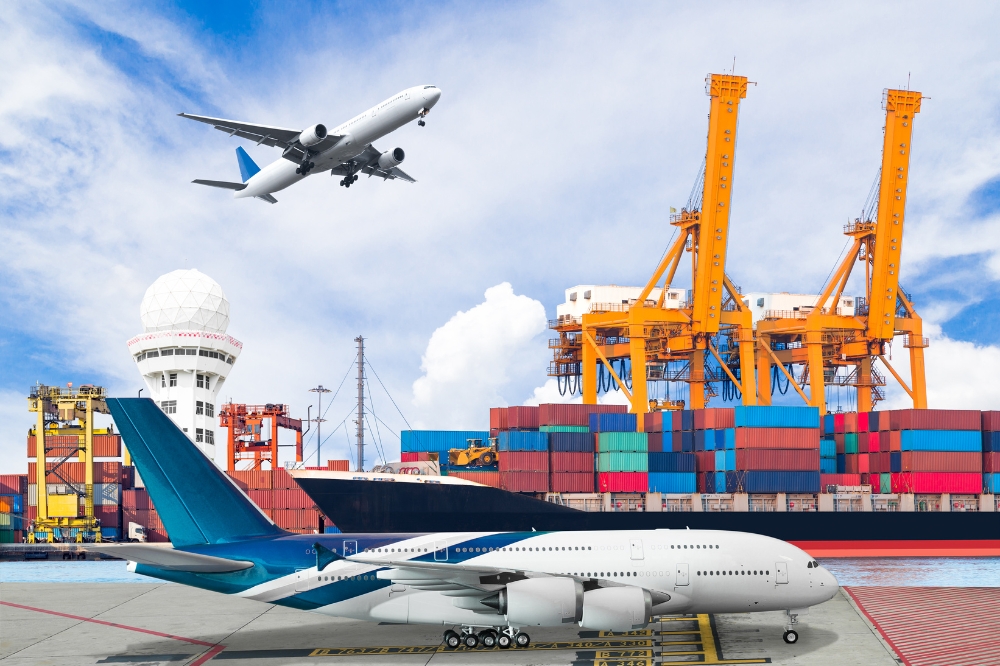
International trade plays a vital role in the global economy, allowing countries to exchange goods, services, and resources across borders. Businesses today depend heavily on global supply chains to reach international markets and serve customers worldwide. However, transporting goods from one country to another involves many complex processes such as shipping, customs clearance, warehousing, and distribution. This is where logistics services become essential. Logistics companies coordinate the movement of goods, ensuring that products are delivered safely, efficiently, and on time.
Understanding Logistics in International Trade
Logistics refers to the planning, implementation, and management of the flow of goods from the point of origin to the final destination. In international trade, logistics includes transportation, freight forwarding, warehousing, inventory management, packaging, documentation, and customs procedures.
Modern logistics systems connect manufacturers, suppliers, exporters, importers, and customers through integrated supply chain networks. These systems ensure that goods move smoothly between countries, making global trade possible. Efficient logistics infrastructure and reliable transportation systems are essential for improving trade competitiveness and economic growth. Research also shows that efficient logistics—especially reliable shipment delivery and strong customs systems—can significantly enhance a country’s trade capacity and economic performance.
Without effective logistics services, international trade would face delays, increased costs, and supply chain disruptions.
Importance of Logistics Services in Global Trade
1. Facilitating the Movement of Goods
The primary role of logistics services is to enable the efficient movement of goods between countries. Logistics providers manage various transportation methods such as air freight, ocean freight, road transport, and rail transport to ensure that products reach global markets.
Sea transport alone carries around 90% of global trade, highlighting the importance of transportation networks in the logistics industry.
By coordinating shipping routes, handling cargo, and managing transportation schedules, logistics companies ensure that goods move efficiently across international borders.
2. Reducing Transportation Costs
Logistics companies help businesses reduce shipping costs by optimizing transportation routes and selecting the most efficient mode of transport. Freight consolidation, multimodal transport systems, and efficient warehousing help reduce operational expenses.
Lower logistics costs allow companies to offer competitive prices in international markets. This cost efficiency is essential for exporters who want to expand their businesses globally.
3. Ensuring Timely Delivery
Timely delivery is crucial in international trade, especially for industries such as manufacturing, pharmaceuticals, and food products. Logistics providers use modern technologies such as GPS tracking, automated inventory systems, and digital documentation to ensure shipments reach their destination on schedule.
Reliable logistics services help businesses maintain consistent supply chains and meet customer expectations. This reliability also strengthens trust between trading partners.
4. Managing Customs and Documentation
International trade requires extensive documentation and compliance with government regulations. Incorrect paperwork or missing documents can lead to delays, fines, or rejected shipments.
Logistics companies assist exporters and importers by managing documentation such as commercial invoices, bills of lading, certificates of origin, and customs declarations. They also coordinate with customs authorities to ensure smooth clearance of goods at international borders.
5. Supporting Global Supply Chains
Global supply chains involve multiple stakeholders including manufacturers, suppliers, distributors, and retailers. Logistics providers integrate these components through efficient transportation networks and supply chain management systems.
By ensuring seamless movement of goods across different stages of production and distribution, logistics services enable businesses to operate efficiently on a global scale.
6. Improving Market Access
Logistics services allow companies to reach international markets that would otherwise be difficult to access. Efficient shipping routes, distribution centers, and freight networks help businesses expand beyond domestic markets and serve customers worldwide.
For developing countries, improved logistics infrastructure can increase exports and strengthen their participation in global trade.
7. Risk Management and Supply Chain Resilience
International trade can be affected by disruptions such as port congestion, political conflicts, natural disasters, or global pandemics. Logistics companies manage these risks by planning alternative routes, maintaining safety stock, and monitoring supply chain conditions.
Advanced logistics technologies, including artificial intelligence and real-time tracking systems, help companies anticipate potential disruptions and ensure continuity in supply chains.
Technology in Modern Logistics
Technology has transformed the logistics industry and improved the efficiency of global trade. Digital platforms now allow companies to track shipments in real time, manage inventory, and communicate with logistics partners instantly.
Technologies such as artificial intelligence, Internet of Things (IoT), and automated warehousing systems have enhanced logistics operations by improving shipment accuracy, reducing delays, and increasing transparency in supply chains.
These innovations allow logistics companies to deliver faster and more reliable services, which is essential for international trade in today’s fast-paced global economy.
Scanwell Logistics: A Trusted Logistics Company in Ahmedabad
An example of a company contributing to international trade is Scanwell Logistics, a well-known logistics company in Ahmedabad, Gujarat. The company provides comprehensive freight forwarding and supply chain solutions for businesses involved in domestic and international shipping.
Scanwell Logistics offers a wide range of services, including air freight, ocean freight, road transport, rail transport, transshipment, and Less-than-Container Load (LCL) shipping. These services help businesses move goods efficiently across India and international markets.
The company focuses on providing end-to-end logistics solutions that include transportation, cargo handling, customs documentation, and supply chain coordination. By combining modern logistics technology with experienced professionals, Scanwell Logistics ensures reliable and timely delivery of shipments.
Scanwell Logistics has also built a strong global network and extensive industry expertise over many years, enabling it to serve businesses of all sizes with efficient logistics and freight forwarding services.
With its strategic presence in Ahmedabad—one of India’s major industrial and trade hubs—the company supports industries such as textiles, pharmaceuticals, FMCG, chemicals, and manufacturing by providing efficient logistics services.
The Future of Logistics in International Trade
As global trade continues to grow, the demand for efficient logistics services will increase. E-commerce expansion, digital supply chains, and sustainable transportation practices are shaping the future of logistics.
Logistics companies are investing in green technologies, automated warehouses, and advanced data analytics to improve efficiency and reduce environmental impact. Additionally, governments around the world are focusing on improving logistics infrastructure to facilitate smoother international trade.
Companies that adopt innovative logistics strategies will gain a competitive advantage in the global marketplace.
Conclusion
Logistics services play a crucial role in international trade by ensuring the efficient movement of goods across borders. From transportation and warehousing to customs clearance and supply chain management, logistics providers handle the complex processes required for global commerce.
Efficient logistics systems reduce costs, improve delivery times, and enable businesses to expand into international markets. As global trade continues to evolve, logistics companies will remain essential partners in connecting businesses and economies worldwide.
Companies like Scanwell Logistics in Ahmedabad demonstrate how professional logistics providers help businesses manage international shipping efficiently through reliable freight forwarding and supply chain solutions. By offering comprehensive logistics services and maintaining strong global networks, such companies play a key role in supporting international trade and global economic growth.