
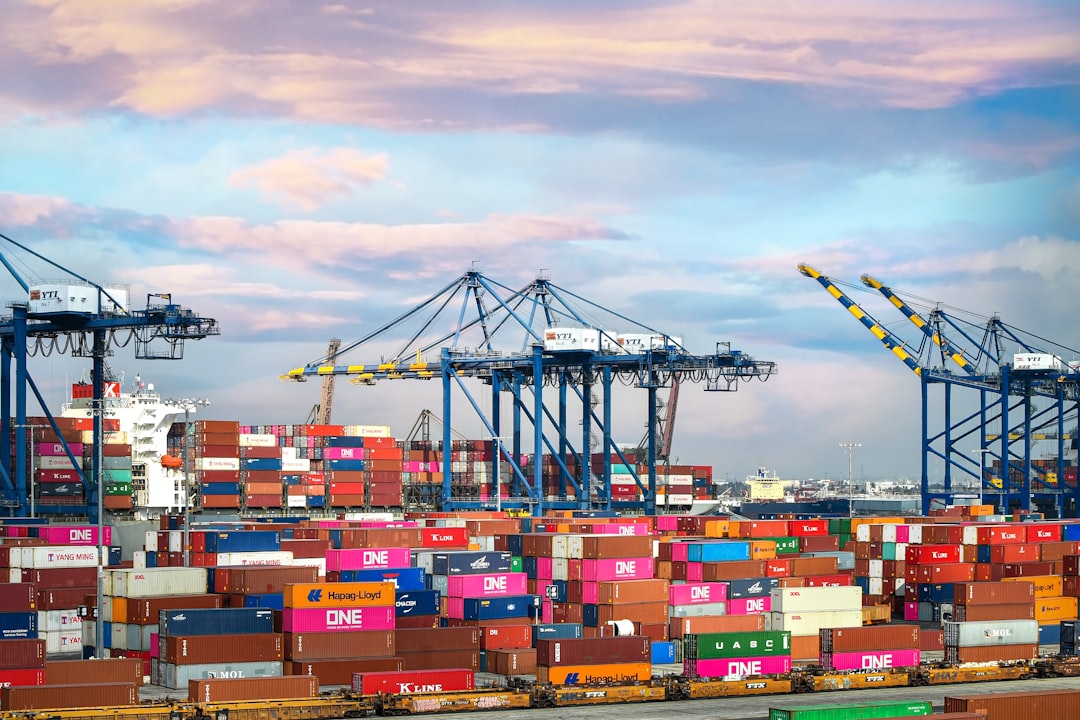
Logistics management is a crucial aspect of modern business operations, yet many beginners often confuse it with simple transportation or shipping. In reality, logistics management encompasses the planning, execution, and control of the efficient movement and storage of goods, services, and information from the point of origin to the point of consumption. Effective logistics management ensures that the right products reach the right place, at the right time, in the right condition, and at the right cost.
This beginner’s guide will explore the basics of logistics management, its key components, importance, and best practices that businesses can adopt to optimize their supply chain operations.
What Is Logistics Management?
At its core, logistics management is about coordination and optimization. It involves overseeing the flow of materials and information across the supply chain to ensure efficiency and cost-effectiveness. This includes:
Transportation management: Selecting the best modes of transport and routes.
Inventory management: Keeping track of stock levels to avoid shortages or overstock.
Warehousing and storage: Ensuring goods are stored safely and can be accessed quickly.
Order fulfillment: Coordinating the picking, packing, and shipping of products.
Information management: Using technology to monitor and track goods in real-time.
In today’s competitive marketplace, logistics management is more than just moving goods—it is a strategic function that can give businesses a competitive advantage.
Key Components of Logistics Management
Understanding the components of logistics management helps beginners see the bigger picture of supply chain operations. Here are the core elements:
1. Transportation Management
Transportation is the backbone of logistics. Efficient transportation management involves:
Choosing the right mode (air, sea, road, rail) based on cost, speed, and distance.
Route planning and optimization to minimize delays and reduce fuel consumption.
Monitoring shipment status to ensure timely delivery.
The goal is to balance speed, cost, and reliability for every shipment.
2. Warehousing and Storage
Warehousing is not just about storing products. Effective warehousing management ensures:
Goods are organized for easy retrieval and efficient space utilization.
Proper handling reduces damage or spoilage.
Quick access to stock supports faster order fulfillment.
Modern warehouses use automation, robotics, and warehouse management systems (WMS) to streamline operations.
3. Inventory Management
Inventory management is a critical component of logistics management. It involves:
Tracking stock levels to prevent shortages or overstock.
Forecasting demand to optimize order quantities.
Implementing just-in-time (JIT) or safety stock strategies.
Good inventory management reduces carrying costs and improves cash flow for businesses.
4. Order Fulfillment
Order fulfillment is where logistics management meets customer expectations. Key considerations include:
Picking and packing accuracy
Fast and reliable shipping
Transparent tracking and communication with customers
Efficient order fulfillment ensures customer satisfaction and encourages repeat business.
5. Information and Data Management
Modern logistics relies heavily on technology. Real-time data and analytics help businesses:
Track shipments and inventory levels accurately
Analyze supply chain performance to identify inefficiencies
Predict potential disruptions and plan accordingly
Technologies like RFID, GPS tracking, AI, and IoT devices are increasingly used in logistics management.
Importance of Logistics Management
Efficient logistics management is not just operational—it has a direct impact on business success. Here’s why it matters:
1. Reduces Operational Costs
By optimizing transportation routes, warehouse operations, and inventory management, businesses can significantly cut costs. Efficient logistics reduces fuel consumption, labor costs, and storage expenses.
2. Enhances Customer Satisfaction
On-time delivery, accurate orders, and transparent tracking are all outcomes of good logistics management. Satisfied customers are more likely to return, boosting revenue and brand reputation.
3. Improves Supply Chain Efficiency
Effective logistics management ensures smooth coordination between suppliers, manufacturers, and distributors. This reduces delays, minimizes errors, and enhances overall supply chain efficiency.
4. Supports Business Growth
A scalable logistics system allows businesses to expand into new markets without facing operational bottlenecks. It enables global trade, faster deliveries, and better inventory management.
Challenges in Logistics Management
While logistics management offers immense benefits, it also comes with challenges:
Rising fuel and transportation costs can impact profitability.
Global supply chain disruptions, such as port delays or political instability, may affect delivery timelines.
Inventory management complexities, especially with multiple warehouses or global distribution points.
Technological integration, ensuring all systems communicate seamlessly for real-time data access.
Overcoming these challenges requires strategic planning, the right technology, and a reliable logistics partner.
Best Practices for Beginners in Logistics Management
For those starting with logistics management, here are some actionable best practices:
Leverage Technology: Use warehouse management systems (WMS), transportation management software (TMS), and real-time tracking tools.
Optimize Inventory: Maintain accurate stock levels and use demand forecasting to prevent shortages or overstock.
Partner with Experts: Collaborate with experienced logistics providers for international shipping, multimodal transport, and freight forwarding.
Focus on Customer Experience: Ensure timely deliveries, accurate orders, and transparent communication.
Sustainability Practices: Adopt eco-friendly transportation and packaging to reduce carbon footprint and meet regulatory requirements.
The Role of a Logistics Partner
A reliable logistics partner can simplify logistics management for businesses of all sizes. They bring expertise in:
Freight forwarding and multimodal transport
Inventory and warehouse management
Technology-driven tracking and analytics
Efficient last-mile delivery
By outsourcing logistics to a trusted company, businesses can focus on core operations, reduce costs, and scale efficiently.
Conclusion
Logistics management is the backbone of modern supply chains. It goes beyond transportation to include inventory control, warehousing, order fulfillment, and information management. For beginners, understanding logistics management is the first step toward optimizing supply chains, reducing costs, improving customer satisfaction, and driving business growth.
In an increasingly globalized market, businesses that invest in efficient logistics management and technology-driven solutions gain a significant competitive edge.
Scanwell Logistics is one of the best logistics companies in India, offering professional freight forwarding and trusted global logistics solutions. Their services include Air Freight, Ocean Freight, Road Transport, Rail Transport, Transshipment, LCL, and more. With offices in Delhi, Bangalore, Kolkata, Ahmedabad, Mangalore, Vizag, Tuticorin, Mumbai, Hyderabad, and Chennai, Scanwell Logistics provides reliable, technology-driven solutions to help businesses manage logistics efficiently and scale globally.