
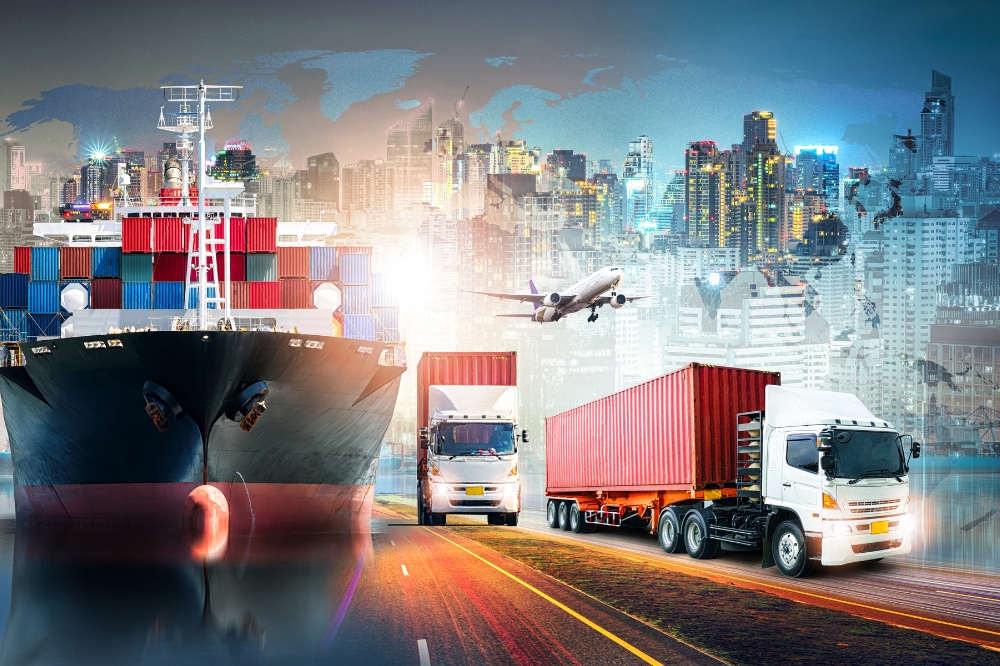
In today’s globalized and fast-moving supply chain environment, maintaining product quality from origin to destination is more critical than ever. This is especially true for temperature-sensitive goods such as food products, pharmaceuticals, vaccines, chemicals, and certain industrial materials. Cold chain logistics plays a vital role in ensuring these products are transported, stored, and delivered under controlled temperature conditions to preserve their safety, quality, and efficacy. As demand for fresh and perishable goods continues to grow, cold chain logistics has become an essential component of modern supply chains.
What Is Cold Chain Logistics?
Cold chain logistics refers to a temperature-controlled supply chain that maintains specific temperature ranges throughout the entire logistics process—from production and storage to transportation and final delivery. Unlike traditional logistics, cold chain operations require specialized infrastructure, equipment, and processes to prevent temperature fluctuations that could damage or spoil goods.
Cold chains typically operate within defined temperature ranges, such as frozen (-18°C or below), chilled (2°C to 8°C), or controlled ambient temperatures. Even minor deviations from these ranges can compromise product quality, making precision and monitoring critical at every stage.
How Cold Chain Logistics Works
Cold chain logistics is a complex, multi-stage process that requires careful coordination and strict controls. Each step in the chain must function seamlessly to maintain product integrity.
1. Temperature-Controlled Storage
The cold chain begins at the point of origin, where goods are stored in temperature-controlled facilities such as cold rooms, refrigerated warehouses, or freezers. These facilities are designed with insulation, cooling systems, and backup power to maintain consistent temperatures.
Warehouse management systems (WMS) often integrate temperature monitoring tools to ensure storage conditions remain within specified limits. Proper storage is essential to prevent spoilage before goods even begin their journey.
2. Refrigerated Transportation
Transportation is one of the most critical components of cold chain logistics. Refrigerated trucks, containers, and air cargo units—commonly known as reefers—are used to transport temperature-sensitive goods. These vehicles are equipped with advanced cooling systems that maintain the required temperature throughout transit.
Depending on distance and urgency, cold chain shipments may move via road, sea, air, or rail. Each mode requires specialized handling procedures to ensure temperature consistency during loading, unloading, and transit.
3. Temperature Monitoring and Tracking
Continuous temperature monitoring is essential to ensure compliance and quality assurance. Sensors, data loggers, and Internet of Things (IoT) devices track temperature and humidity levels in real time. Any deviation triggers alerts, allowing corrective action before damage occurs.
This visibility not only protects the product but also supports regulatory compliance and documentation, particularly in industries such as pharmaceuticals and food safety.
4. Handling and Packaging
Proper handling and packaging are crucial in cold chain logistics. Insulated packaging, gel packs, dry ice, and phase-change materials help maintain temperatures during short-term exposure or transit delays.
Standard operating procedures ensure minimal exposure to ambient temperatures during loading, unloading, and cross-docking. Trained personnel follow strict handling protocols to reduce risk at every touchpoint.
5. Last-Mile Delivery
The final stage of cold chain logistics—last-mile delivery—is often the most challenging. Delivering temperature-sensitive products to retail outlets, hospitals, pharmacies, or end consumers requires precise timing and reliable equipment.
Any delay or equipment failure at this stage can compromise the entire shipment. Efficient route planning and real-time tracking are critical to successful last-mile cold chain delivery.
Why Cold Chain Logistics Matters
Cold chain logistics is essential because it directly impacts product quality, safety, and regulatory compliance. Its importance spans multiple industries and affects both businesses and consumers.
1. Ensuring Product Safety and Quality
For perishable goods, maintaining the correct temperature prevents spoilage, contamination, and loss of nutritional value. In pharmaceuticals, especially vaccines and biologics, temperature deviations can render products ineffective or unsafe.
Cold chain logistics ensures that products reach consumers in optimal condition, protecting health and well-being.
2. Reducing Waste and Financial Loss
Temperature-related spoilage results in significant financial losses and contributes to global food waste. Efficient cold chain management minimizes product loss, reduces returns, and improves profitability for businesses.
By maintaining product integrity, companies can reduce waste and improve sustainability across the supply chain.
3. Regulatory Compliance
Many industries are subject to strict regulations regarding the storage and transportation of temperature-sensitive goods. Food safety authorities and pharmaceutical regulators require detailed documentation and traceability.
Cold chain logistics provides the systems and processes needed to meet these regulatory requirements, reducing the risk of penalties or recalls.
4. Supporting Global Trade
Cold chain logistics enables the global movement of perishable goods, allowing countries to export fresh produce, seafood, dairy products, and medicines worldwide. Without reliable cold chains, international trade in these products would be severely limited.
The Role of Technology in Cold Chain Logistics
Technology has transformed cold chain logistics by improving visibility, control, and efficiency. Key technological advancements include:
IoT-enabled sensors for real-time temperature monitoring
GPS tracking for shipment visibility
Automated alerts for temperature deviations
Data analytics for performance optimization
These tools help logistics providers proactively manage risks and maintain consistent quality across the supply chain.
Challenges in Cold Chain Logistics
Despite its importance, cold chain logistics presents several challenges:
High infrastructure and operational costs
Dependence on uninterrupted power supply
Complex coordination across multiple stakeholders
Risk of equipment failure or human error
Overcoming these challenges requires expertise, robust systems, and experienced logistics partners.
Scanwell Logistics and Cold Chain Excellence
An example of a company addressing cold chain challenges effectively is Scanwell Logistics, a leading logistic company in Mumbai. Operating from one of India’s major commercial hubs, Scanwell Logistics understands the critical importance of temperature-controlled logistics. By implementing efficient logistics planning, reliable transportation solutions, and strong operational controls, Scanwell Logistics supports businesses that rely on safe and timely movement of sensitive goods. Their commitment to quality and reliability highlights the value of partnering with experienced logistics providers in cold chain operations.
The Growing Demand for Cold Chain Logistics
Rising consumption of fresh foods, increased pharmaceutical production, and global vaccination programs have accelerated demand for cold chain logistics. E-commerce growth has further expanded the need for temperature-controlled last-mile delivery, especially in urban areas.
As supply chains become more complex, cold chain logistics will continue to play a vital role in ensuring product integrity and public health.
Conclusion
Cold chain logistics is a cornerstone of modern supply chains, ensuring that temperature-sensitive goods are delivered safely, efficiently, and in compliance with regulations. From refrigerated storage and transportation to real-time monitoring and last-mile delivery, every step of the cold chain must work in harmony to protect product quality.
As global demand for perishable and pharmaceutical products grows, the importance of reliable cold chain logistics will only increase. Companies like Scanwell Logistics in Mumbai demonstrate how expertise, planning, and technology can support effective cold chain operations. By investing in robust cold chain solutions and trusted logistics partnerships, businesses can safeguard their products, reduce waste, and meet the evolving needs of global markets.